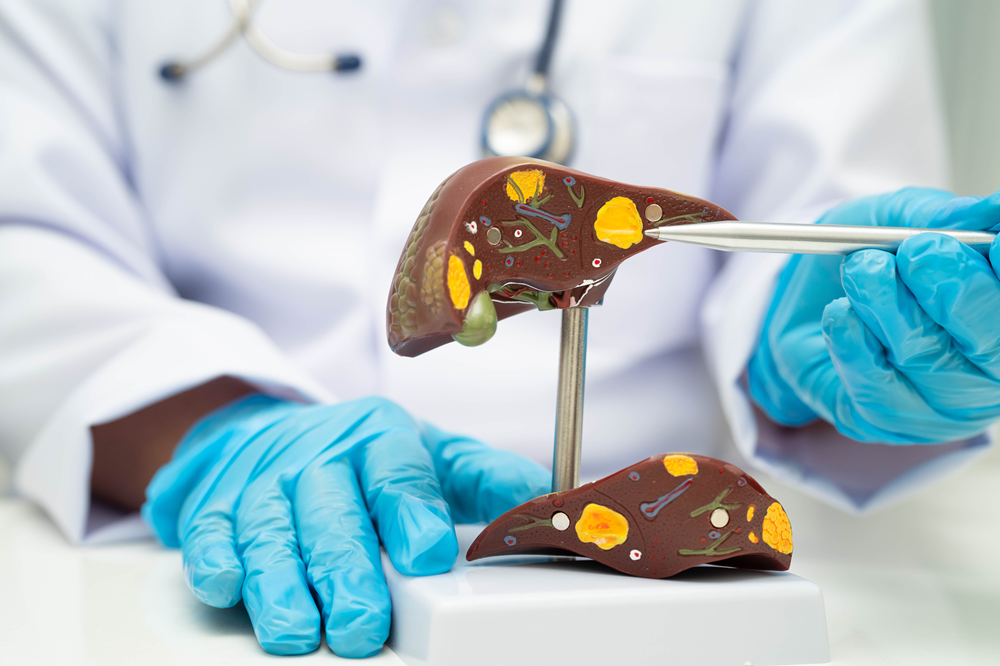



Primary biliary cholangitis, or PBC, is a chronic autoimmune liver disease that can be easy to overlook, especially in its early stages. Some people have few or no symptoms when they are diagnosed, while others may experience fatigue or itching that could have many possible causes.
PBC affects the small bile ducts inside the liver. When these ducts become damaged, bile can build up in the liver and cause ongoing liver injury. Over time, PBC can lead to scarring and advanced liver disease if it is not properly managed.
What Is PBC?
PBC occurs when the immune system mistakenly attacks the small bile ducts that help carry bile out of the liver. The condition was formerly called primary biliary cirrhosis, but the name was changed because cirrhosis is not present in everyone with PBC, particularly when the disease is found early.
PBC primarily affects women, although men can develop it as well. PBC is considered a rare disease, but newer research suggests it may affect more people in the United States than previously estimated.
PBC is not caused by drinking alcohol, is not contagious, and does not mean someone already has cirrhosis. It can also develop before noticeable symptoms appear.
What Are the Symptoms?
PBC does not always cause noticeable symptoms, particularly early in the disease. When symptoms do occur, they may include:
- Fatigue
- Itchy skin
- Dry eyes or mouth
- Abdominal discomfort
- Jaundice
Fatigue and itching can be mistaken for signs of other health problems, therefore blood tests and other evaluations are needed to diagnose.
Who Is at Risk?
Doctors do not yet know exactly what causes PBC, but several factors may increase the risk. Researchers believe PBC develops from a combination of genetic and environmental factors. PBC is much more common in women and is often diagnosed during middle age. Having a family history of PBC or another autoimmune condition may also increase the risk.
Having one or more of these factors does not mean you will develop PBC. It simply means you may have a higher risk.
How Is PBC Diagnosed?
Since PBC can cause few or no symptoms in its early stages, it is sometimes discovered through routine blood work or an evaluation for another concern. Doctors use several methods to diagnose PBC. They will typically use blood tests to look for signs of liver injury and test for antimitochondrial antibodies (AMA), which are found in most people with PBC. Additional blood tests or imaging may be recommended to rule out other causes of abnormal liver tests or bile duct problems.
A liver biopsy is not routinely needed when blood tests and other findings clearly support a PBC diagnosis. It may be considered when the diagnosis is uncertain or another liver condition is suspected.
An abnormal liver test does not automatically mean someone has PBC. A gastroenterologist or hepatologist can determine whether additional testing is needed.
How Is PBC Treated?
Treatment focuses on slowing the progression of liver disease, managing symptoms, and reducing the risk of complications.
Ursodeoxycholic acid (UDCA) is a standard first-line treatment for PBC. Some people do not respond adequately to UDCA or cannot tolerate it. In 2024, the FDA approved two additional treatment options, elafibranor (Iqirvo) and seladelpar (Livdelzi), for adults with PBC who have an inadequate response to UDCA or cannot tolerate it.
When Should You See a Gastroenterologist?
Talk with a gastroenterologist if you have persistent fatigue or itching, repeatedly abnormal liver tests, a family history of PBC, or another autoimmune condition along with unexplained liver abnormalities.
Because PBC is a chronic condition, ongoing care is an important part of managing it. A 2025 nationwide study found that only 53.5% of patients were most recently treated for PBC by a gastroenterologist or hepatologist, despite 83.2% having received specialist care at some point. Regular follow-up with a gastroenterologist or hepatologist can help monitor the disease, evaluate treatment response and address changes over time.
PBC can progress even when symptoms are mild or absent, which is why recognizing the condition and staying on top of treatment matters. If you have concerns about your liver health or questions about PBC, reach out to a GI Alliance provider to discuss whether an evaluation may be appropriate.