


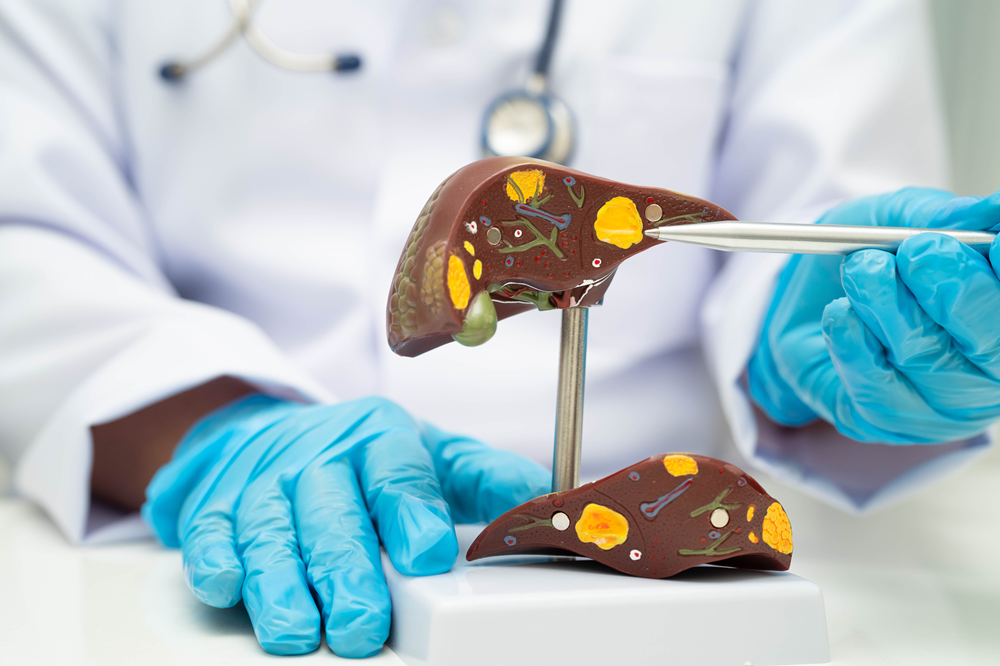
October is Liver Cancer Awareness Month, a time to learn more about liver cancer and who may be at higher risk. Liver cancer may not cause noticeable symptoms in its early stages, and certain liver conditions can increase a person’s risk. Knowing your risk factors can help you talk with your healthcare provider about your liver health and whether regular monitoring may be appropriate.
What Is Liver Cancer?
The liver performs many important jobs, including processing nutrients and filtering substances from the blood. Liver cancer is a disease in which cells in the liver grow out of control. Primary liver cancer is cancer that starts in the liver. This is different from cancer that begins in another
part of the body and later spreads to the liver. Hepatocellular carcinoma (HCC) is the most common type of primary liver cancer in adults.
HCC often develops in people with chronic liver disease or long-term liver damage. Cirrhosis, chronic hepatitis B or C, and certain forms of fatty liver disease can increase the risk.
Who May Be at Higher Risk for Liver Cancer?
Certain health conditions and lifestyle factors can increase the risk of liver cancer. Risk factors include:
- Cirrhosis: Scarring of the liver from various causes is one of the most important risk factors for HCC.
- Chronic hepatitis B: Long-term hepatitis B infection can increase liver cancer risk, sometimes even when cirrhosis has not developed.
- Chronic hepatitis C: Longstanding hepatitis C can cause liver damage and increase cancer risk, particularly when cirrhosis is present.
- MASLD/MASH: Metabolic dysfunction-associated steatotic liver disease (MASLD) and its more advanced form, MASH, can cause liver inflammation and damage. The risk of liver cancer is higher when advanced liver disease or cirrhosis develops.
- Heavy alcohol use: Long-term excessive alcohol use can damage the liver and contribute to cirrhosis.
- Other liver conditions: Certain inherited and chronic liver diseases can also increase the risk of liver cancer.
Having one or more risk factors does not mean you will develop liver cancer. Some people develop liver cancer without a known risk factor.
Liver Cancer Can Develop Without Obvious Symptoms
Early liver cancer may not cause noticeable symptoms. When symptoms do occur, they can include unexplained weight loss, loss of appetite, feeling full quickly, abdominal discomfort, swelling or a lump in the upper right abdomen, jaundice, and fatigue.
These symptoms can also occur with other health conditions, so they do not necessarily mean a person has liver cancer. Persistent or unexplained symptoms should still be discussed with a healthcare provider.
Can Liver Cancer Be Found Early?
Liver cancer screening is not recommended for everyone. People at higher risk may need regular surveillance.
For example, people with cirrhosis and certain people with chronic hepatitis B may need regular monitoring. Current AASLD guidance recommends liver cancer surveillance with an abdominal ultrasound and alpha-fetoprotein (AFP) blood test about every six months for appropriate high-risk patients. Your healthcare provider can determine whether surveillance is appropriate based on your liver condition and other risk factors.
What Can You Do to Protect Your Liver?
There are several ways to help protect your liver and lower some of the factors that can contribute to liver disease. Get tested for hepatitis B and hepatitis C when appropriate, and if you have chronic viral hepatitis, talk with your healthcare provider about treatment. Managing conditions such as obesity and diabetes can help protect liver health and reduce the risk of liver damage. Limiting alcohol and maintaining a healthy weight through balanced nutrition and regular physical activity can support liver health. If you have cirrhosis or another chronic liver condition, follow your provider’s recommendations for managing it. If your healthcare provider has recommended regular liver surveillance, such as imaging or other testing, keeping those appointments is an important part of monitoring your health.
When Should You Talk With a Gastroenterologist?
Talk with a gastroenterologist if you have cirrhosis, chronic hepatitis B or C, fatty liver disease, multiple liver cancer risk factors, persistent or unexplained symptoms, or questions about whether you should have regular liver imaging or other monitoring.
Know Your Risk
Liver cancer does not affect everyone equally. Knowing your risk factors can help you and your healthcare provider decide whether additional monitoring or preventive care may be appropriate. If you have concerns about your liver health, talk with a provider at GI Alliance.