

Hearing the words “esophageal cancer” can feel overwhelming. Fortunately, advances in gastroenterology have made it possible to detect and treat some esophageal cancers earlier than ever before. For certain early-stage cancers and precancerous conditions, a procedure called Endoscopic Mucosal Resection (EMR) may allow treatment without traditional surgery.
What Is Endoscopic Mucosal Resection (EMR)?
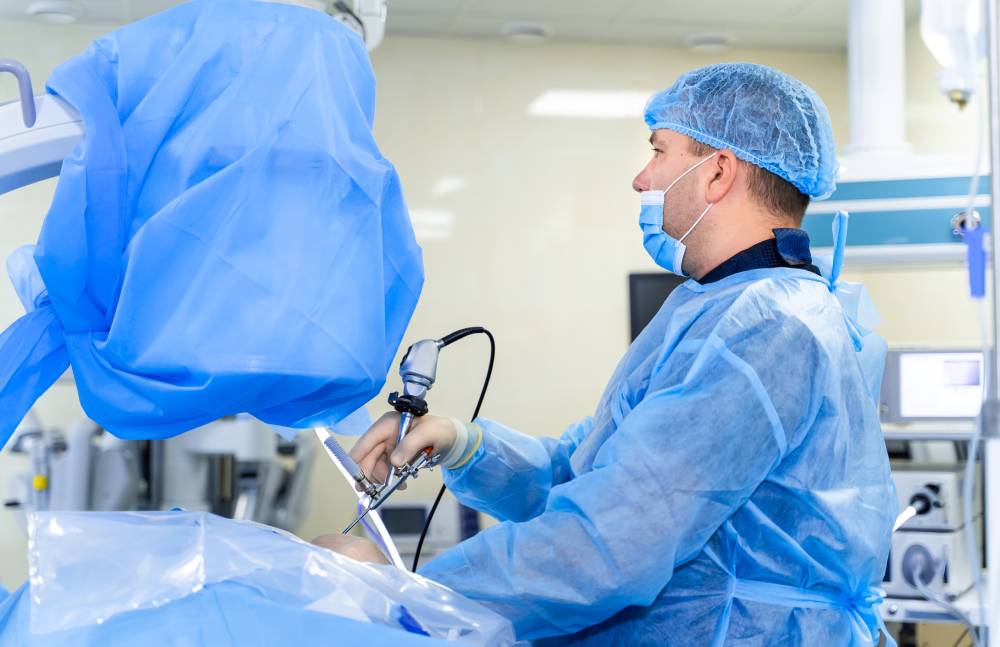
Endoscopic Mucosal Resection, or EMR, is a minimally invasive procedure used to remove precancerous cells, early-stage cancers, and other abnormal growths from the lining of the digestive tract. The procedure is performed using an endoscope, a flexible tube equipped with a camera and specialized instruments. The endoscope is passed through the mouth and into the esophagus, allowing a gastroenterologist to identify and remove abnormal tissue without making any external incisions. EMR targets only the affected tissue, so it can often treat abnormal areas while preserving the esophagus.
Why Early Detection Matters
Early detection of Esophageal cancer may make less invasive treatment options, such as EMR, possible.
Some patients undergo routine monitoring because they have Barrett’s esophagus, a condition in which the lining of the esophagus becomes damaged by chronic acid reflux. Over time, Barrett’s esophagus can increase the risk of developing abnormal or precancerous cells. When these changes are identified early through screening and surveillance, treatment may be able to remove abnormal tissue before cancer spreads deeper into the esophagus.
Who May Be a Candidate for EMR?
EMR may be recommended for patients with:
- Early-stage esophageal cancer
- Certain precancerous lesions
- Barrett’s esophagus with advanced dysplasia
Not every patient with esophageal cancer or Barrett’s esophagus is a candidate for EMR. Your gastroenterologist will use imaging studies, biopsies, and endoscopic evaluations to determine the most appropriate treatment plan based on your individual diagnosis and overall health.
What Happens During the Procedure?
Before the Procedure
Your care team will provide instructions to help you prepare. This may include fasting for a period of time before the procedure, reviewing medications and supplements, and discussing sedation or anesthesia options.
During the Procedure
Once you are comfortably sedated, the endoscope is guided through the mouth and into the esophagus. The physician identifies the abnormal tissue and may inject fluid beneath the area to lift it away from deeper layers of the esophageal wall.
Specialized instruments are then used to remove the targeted tissue. The removed tissue is sent to a laboratory for detailed analysis, providing important information about the diagnosis and any additional treatment that may be needed.
EMR is often completed during a single outpatient visit, although procedure times can vary.
Recovery and What to Expect After EMR
Most patients return home the same day. Temporary side effects may include a mild sore throat, bloating, and/or fatigue related to sedation.
Recovery is generally much faster than with traditional surgery. Many patients are able to resume normal activities within a short period of time, following their provider’s recommendations.
After the procedure, pathology results help determine the next steps in treatment and follow-up care. Some patients may only need periodic surveillance endoscopies, while others may benefit from additional endoscopic therapies.
Benefits of EMR EMR
offers potential advantages for eligible patients:
- Minimally invasive treatment
- No external incisions
- Preservation of the esophagus
- Valuable diagnostic information through tissue analysis
- Faster recovery compared with more extensive surgical procedures
Understanding the Risks
Like any medical procedure, EMR carries some risks. Potential complications may include bleeding, chest discomfort, narrowing of the esophagus, and a rare perforation of the esophageal wall.
Serious complications are uncommon, and GI specialists take multiple precautions to minimize risk. Your care team will closely monitor your recovery and provide instructions on when to seek medical attention.
Taking a Proactive Approach to Esophageal Health
Advances in gastroenterology have made it possible to treat some esophageal cancers and precancerous conditions earlier and less invasively than before. EMR is one example of how modern GI care can provide effective treatment while helping patients maintain their quality of life.
If you have Barrett’s esophagus, persistent acid reflux, or concerns about your esophageal health, speak with your provider at GI Alliance about appropriate screening, monitoring, and treatment options.