


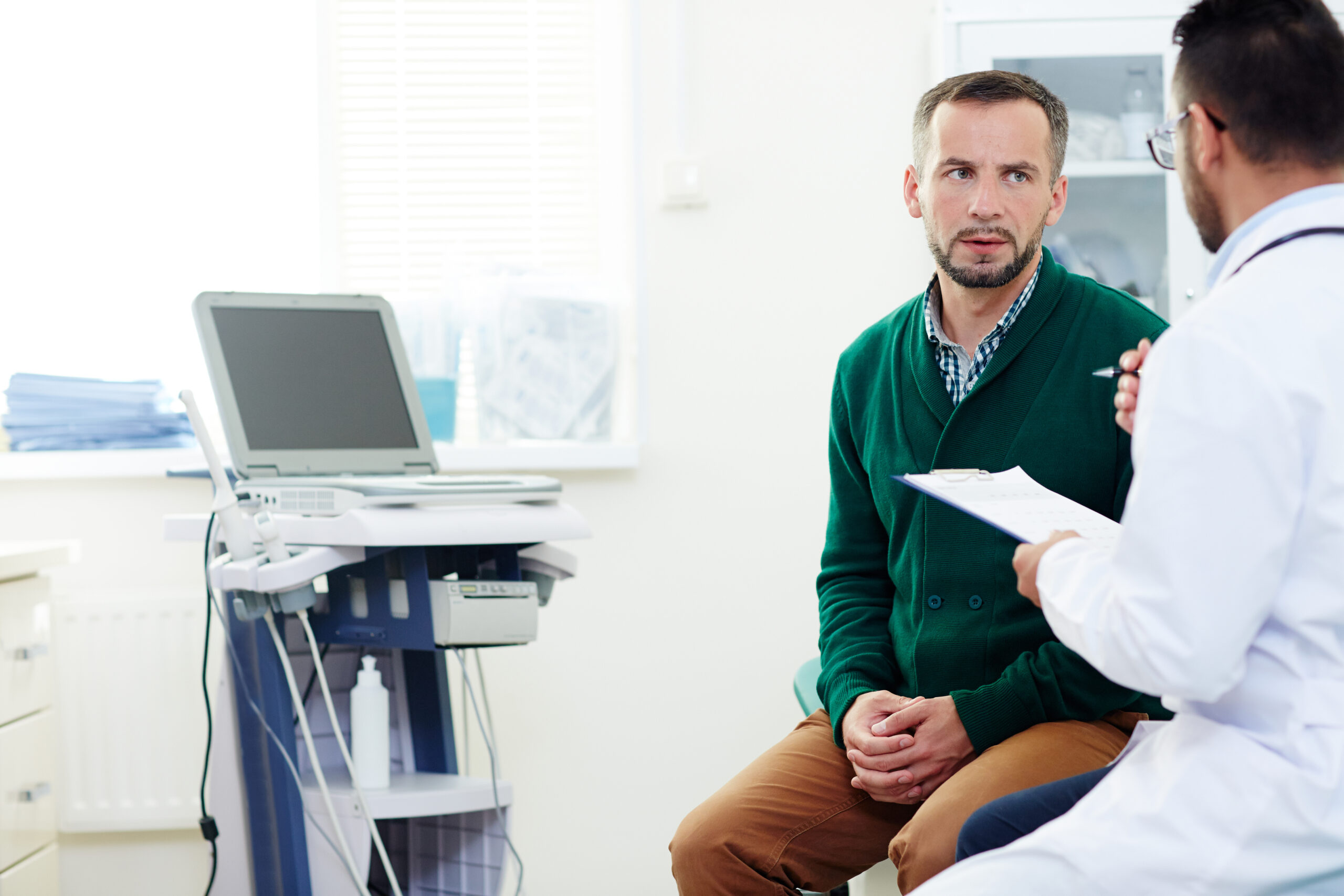
When it comes to protecting your long-term health, few steps are as important—or as effective—as colon cancer screening. Colon cancer is one of the most preventable cancers, yet it remains one of the leading causes of cancer-related deaths. The reason is simple: too many people delay screening.
The good news is that today, patients have more screening options than ever before. But with options comes confusion. Many people wonder: Do I really need a colonoscopy? Are at-home tests enough? What is the “best” choice?
The answer depends on your personal health history and risk factors, but one thing is clear: colonoscopy remains the gold standard for colon cancer screening.
Why screening matters (even if you feel fine)
Colon cancer often develops slowly and silently. In many cases, there are no symptoms in the early stages. That is why screening is so important. It helps identify issues before they become serious.
Most colon cancers begin as small growths called polyps. Many polyps are not cancerous at first, but some can become cancer over time. Screening can detect polyps early, and in many cases, remove them before cancer ever develops.
Colonoscopy: the gold standard for prevention and detection
A colonoscopy is considered the most comprehensive colon cancer screening test because it allows your physician to examine the entire colon directly. It is also the only screening method that can both detect and prevent colon cancer in the same procedure.
Here is why colonoscopy is often recommended:
- It examines the full colon and provides a clear view of the lining
- Polyps can be removed immediately, stopping cancer before it starts
- It can detect cancer early, when treatment outcomes are best
- If results are normal, it is typically needed less often than other tests
Many patients feel nervous about colonoscopy because they have heard stories about the prep or worry about discomfort. The truth is, most people say the prep is the most inconvenient part, not the procedure itself. Colonoscopies are performed with sedation, and the majority of patients are surprised by how quick and manageable the experience is.
At-home stool tests: a convenient option for some patients
At-home stool-based tests can be a good screening option for certain average-risk patients. These tests check for signs that may indicate a problem, such as hidden blood in the stool or abnormal DNA changes.
At-home tests may be appealing because they:
- Can be completed privately at home
- Do not require sedation
- Do not require bowel prep
- Are non-invasive
However, it is important to understand what at-home tests can and cannot do.
At-home tests do not prevent colon cancer, because they cannot remove polyps. They also need to be repeated more frequently to remain effective. And if an at-home test result is abnormal, a follow-up colonoscopy is required to determine the cause.
How to choose the right screening test
The best screening option is the one that fits your health needs and ensures you actually get screened. Your provider will help guide you based on your age, medical history, and risk level.
You may need a colonoscopy sooner (or as your primary screening option) if you have:
- A family history of colon cancer or colon polyps
- A personal history of polyps
- Inflammatory bowel disease (Crohn’s disease or ulcerative colitis)
- Symptoms like rectal bleeding, persistent bowel changes, or unexplained weight loss
The bottom line
Colon cancer screening saves lives, and colonoscopy is the gold standard because it can both detect cancer early and prevent it by removing polyps. At-home tests can be a helpful option for some patients, but they are not a replacement for colonoscopy in every situation.
If you are 45 or older, or if you have risk factors that may require earlier screening, the most important step is to start the conversation.
Schedule a visit with a GI Alliance physician to discuss your screening options and choose the plan that is right for you.


