


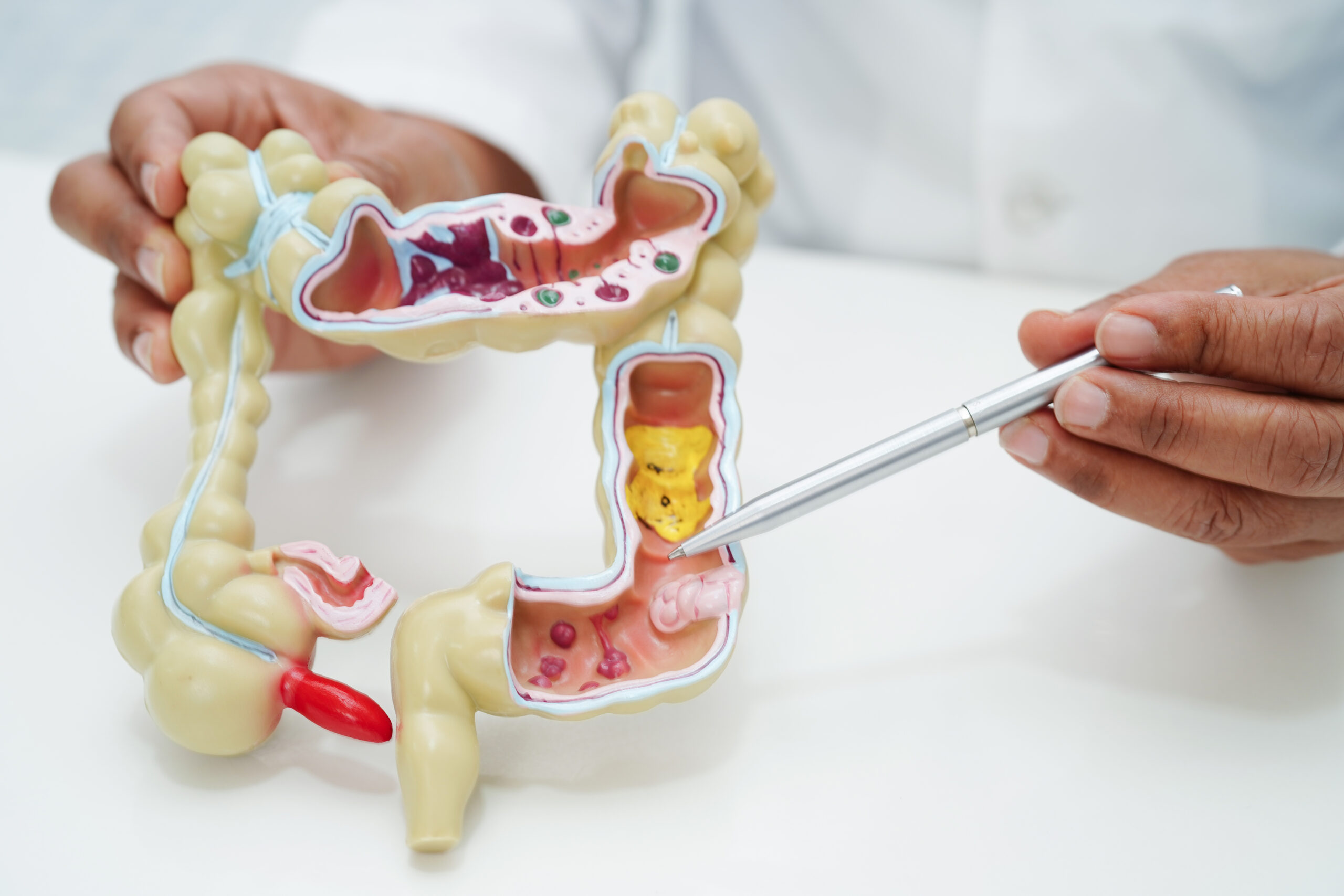
Colon cancer is one of the most common cancers in the United States, but it is also one of the most preventable. The challenge is that many people delay screening because of fear, misinformation, or the belief that it “won’t happen to them.”
During Colon Cancer Awareness Month, it is the perfect time to clear up common myths and help patients feel more confident about taking action. Here are some of the biggest misunderstandings about colon cancer and what the facts actually say.
Myth #1: “If I feel fine, I don’t need screening.”
Fact: Colon cancer often develops without symptoms in the early stages.
Many patients assume they would notice warning signs if something were wrong. The truth is, colon cancer can grow quietly for years. By the time symptoms appear, the disease may already be more advanced. Screening is designed to catch problems early, before you feel anything at all.
Myth #2: “Colon cancer only affects older adults.”
Fact: Colon cancer is being diagnosed more often in younger adults.
For years, colon cancer screening commonly began at age 50. But experts lowered the recommended starting age to 45 after research showed a steady increase in colorectal cancer cases in people in their 40s. That is why staying on schedule matters, even if you feel “too young” to worry about it.
Myth #3: “If no one in my family has colon cancer, I’m not at risk.”
Fact: Most people diagnosed with colon cancer do not have a family history.
Family history can increase your risk, but it is not required for colon cancer to develop. Lifestyle factors, age, and overall health patterns can also play a role. Even patients with no family history should follow screening recommendations.
Myth #4: “A colonoscopy is the only screening option.”
Fact: There are multiple screening options, and your provider can help you choose the right one.
While colonoscopy is the gold standard because it can detect and remove polyps during the same procedure, some patients may be eligible for at-home stool-based screening tests. These tests can be a good option for certain average-risk individuals.
The most important thing is not choosing the “perfect” test, it is choosing the test you will actually complete and staying on track with screening.
Myth #5: “A colonoscopy is painful.”
Fact: Most patients are surprised by how easy the procedure is.
Colonoscopies are typically performed with sedation, so most patients do not feel pain during the procedure and often do not remember it. The prep the day before is usually the most inconvenient part, but your care team will give clear instructions and help you feel prepared.
Myth #6: “If my at-home test is normal, I’m in the clear.”
Fact: At-home tests must be repeated regularly, and abnormal results still require a colonoscopy.
At-home tests can be helpful for some patients, but they do not remove polyps and they do not replace colonoscopy in every situation. If an at-home test is abnormal, the next step is a follow-up colonoscopy to find out what is causing the result.
Myth #7: “Colon cancer always causes obvious symptoms.”
Fact: Symptoms can be subtle or mistaken for other issues.
Some people do develop symptoms, but they are not always dramatic. Call your doctor if you notice any of the following lasting more than a couple of weeks:
- Blood in your stool
- Changes in bowel habits (constipation or diarrhea)
- Ongoing abdominal pain or cramping
- Unexplained weight loss
- Fatigue that does not improve
These symptoms do not automatically mean cancer, but they do mean it is time to get checked.
The bottom line
Colon cancer screening is one of the most powerful tools in preventive healthcare. It can detect cancer early, when it is most treatable, and in many cases, prevent cancer by removing polyps before they become dangerous.
If you are 45 or older, or if you have a family history or symptoms that concern you, now is the time to take action.
Schedule a visit with a GI Alliance physician to discuss your screening options and create a plan that fits your needs.


